
USB-C Cables & Charging Cords
USB-C cables are sold by connector shape and rated by current. 3A (60W), 5A (100W) and 240W EPR are the three real tiers; the difference lives in an e-marker chip inside the plug, which is why a thin $2 cable can be perfectly fine for a phone and useless for a laptop. Data speed is a separate axis: most cheap charging cables are USB 2.0 (480Mbps) even when they look identical to a 10Gbps one.
What decides the purchase
- Current rating
- Decides charging speed on anything above 20W. 3A for phones, 5A/e-marked for 60-100W laptops, 240W EPR only for PD 3.1 gear
- Data rate
- Charging cables and data cables look the same. USB 2.0 480Mbps for charging only, USB 3.2 Gen2 10Gbps for drives and displays
- Length
- Resistance grows with length; long thin cables drop voltage under load. 1m for 100W, 2m is the practical maximum for full-wattage charging
- Build
- The failure point is the strain relief, not the wire. Braided jacket plus a reinforced neck survives daily coiling
- Connector plating
- Cheap plating corrodes and starts intermittent charging. Nickel is fine, gold plating lasts longer in humid climates
Our rule of thumb
Buy one 100W 2m cable per charger you own and keep a short 240W one for travel. If you need a cable for a drive or a display, buy by Gbps first — the wattage will be fine anyway.
USB-C cables are sold by connector shape and rated by current. 3A (60W), 5A (100W) and 240W EPR are the three real tiers; the difference lives in an e-marker chip inside the plug, which is why a thin $2 cable can be perfectly fine for a phone and useless for a laptop. Data speed is a separate axis: most cheap charging cables are USB 2.0 (480Mbps)
Showing all 3 results
-
USB-C Cables & Charging CordsView buying decision
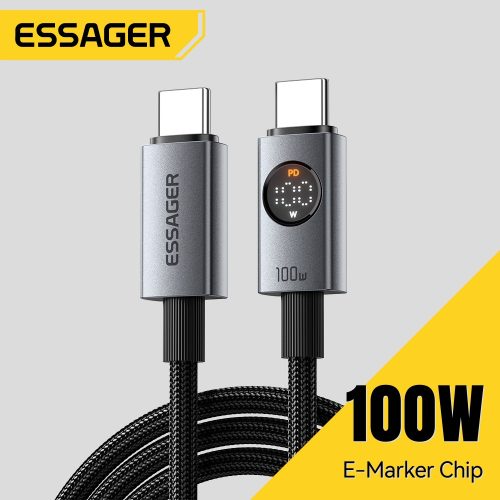
Essager 100W Type C to Type C PD Fast Charging Cable for MacBook iPad iPhone 17 16 pro Max Digital Display
Catalog price · Nov 9, 2026 Original price was: $12.06.$4.89Current price is: $4.89. -
USB-C Cables & Charging CordsView buying decision
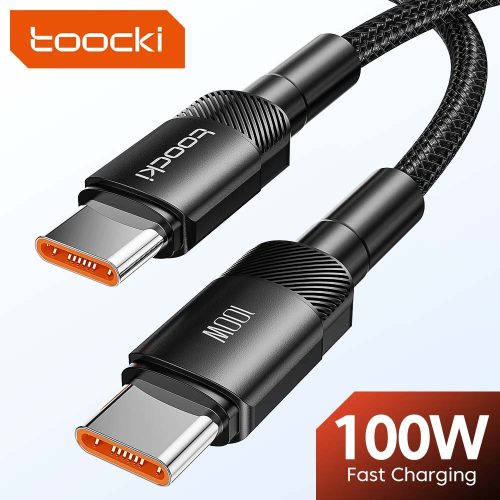
Toocki 100W Type C to USB C Cable PD 3.0 Quick Charge 4.0 Fast Charging Type C to Type C
Catalog price · Nov 9, 2026 Original price was: $4.33.$2.16Current price is: $2.16. -
USB-C Cables & Charging CordsView buying decision
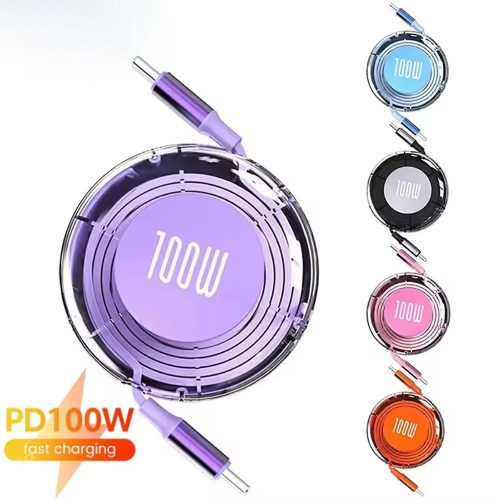
Retractable PD 100W Charging Cable USB Type C to Type C Fast Charging USB C to USB C Cable
Catalog price · Nov 9, 2026 Original price was: $7.94.$3.49Current price is: $3.49.
Selection rule behind these listings: at least 200 recorded orders, buyer rating 4.5+, inside the category price band — ranked by order volume × rating ÷ price. See all 16 categories · method.